
Decorative concrete has quietly shifted from a niche upgrade to a mainstream expectation. Homeowners, developers, and commercial clients all want surfaces that look premium but still hold up to real-world use. The good news for contractors is that decorative concrete delivers exactly that — the look of luxury without the cost of high-end stone, tile, or specialty materials.
When done right, decorative concrete isn’t just an aesthetic upgrade. It’s a profit opportunity, a differentiation tool, and a way to deliver higher perceived value without drastically increasing material costs.
Why Decorative Concrete Is Growing So Fast
Clients today care more about appearance than ever. A plain gray slab might be functional, but stamped, stained, or textured concrete instantly elevates the finished project.
From patios and walkways to commercial entries and interior floors, decorative finishes are being requested more frequently because they offer:
-
High-end visual appeal
-
Long-term durability
-
Lower lifecycle cost than alternative materials
-
Customization without structural changes
For contractors, this means the same base material — concrete — can be transformed into a premium product with the right techniques and planning.
Why Decorative Concrete Is Growing So Fast
Clients today care more about appearance than ever. A plain gray slab might be functional, but stamped, stained, or textured concrete instantly elevates the finished project.
From patios and walkways to commercial entries and interior floors, decorative finishes are being requested more frequently because they offer:
-
High-end visual appeal
-
Long-term durability
-
Lower lifecycle cost than alternative materials
-
Customization without structural changes
For contractors, this means the same base material — concrete — can be transformed into a premium product with the right techniques and planning.
Popular Decorative Concrete Options Contractors Should Know
Stamped Concrete
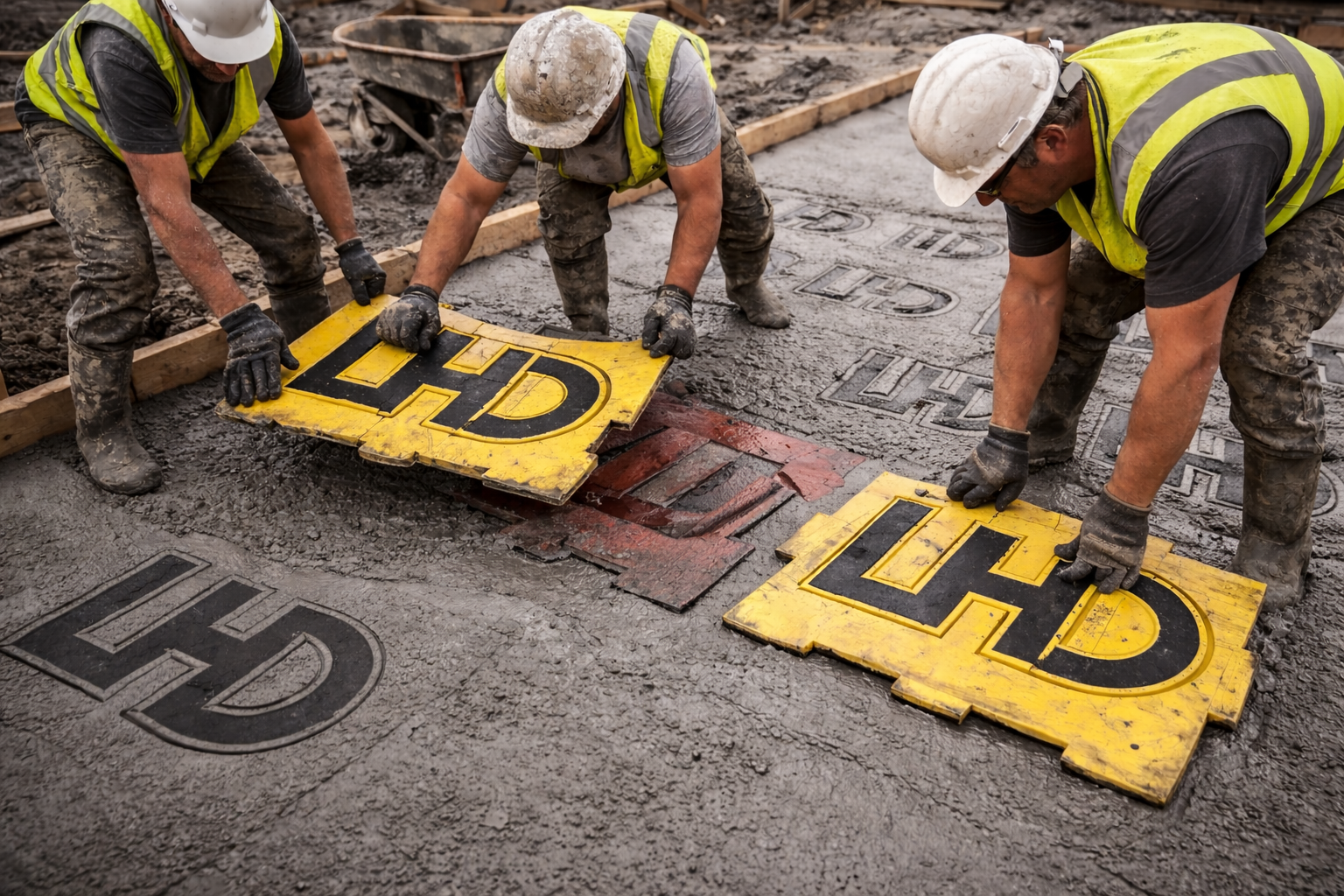
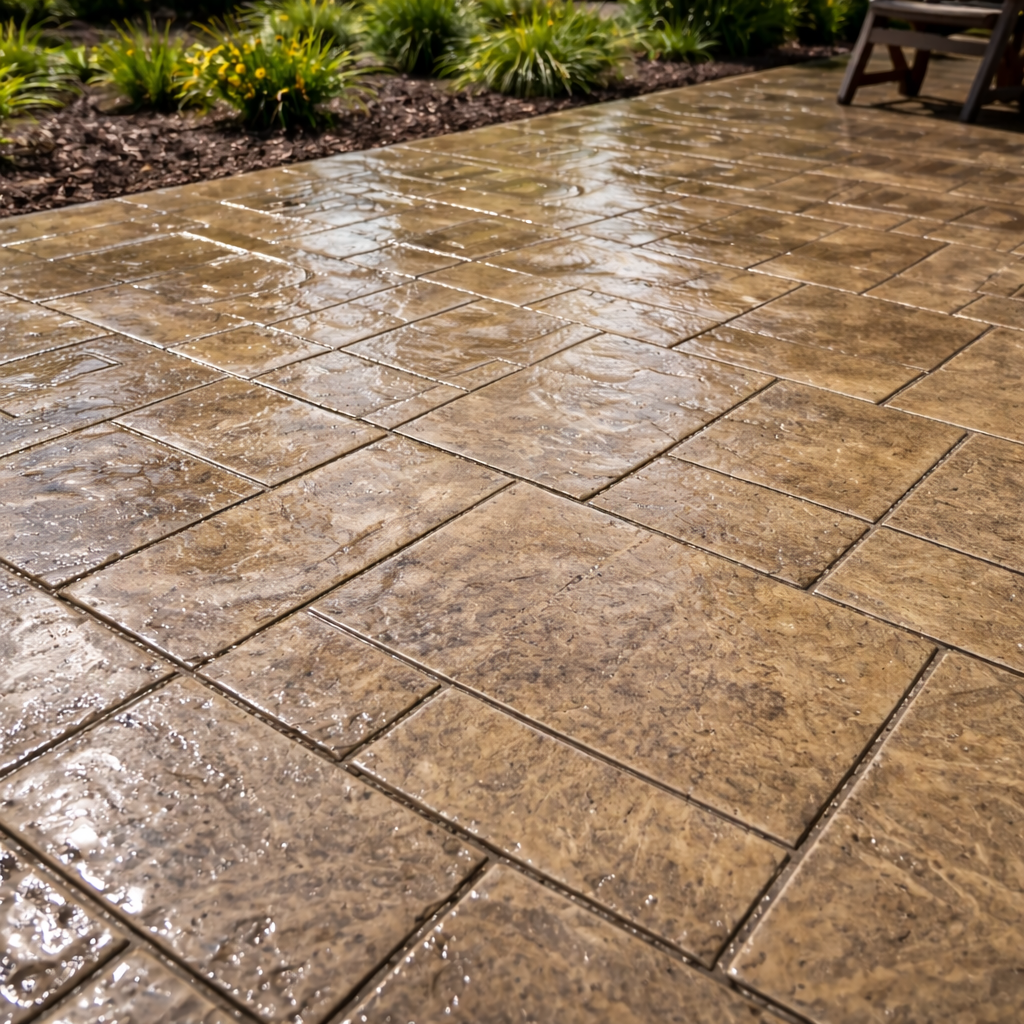
Stamped concrete remains one of the most requested decorative finishes. It replicates the look of stone, brick, slate, or wood while maintaining the strength of a monolithic slab.
Benefits include:
-
Consistent patterning
-
Faster installation than individual pavers
-
Reduced shifting and weed growth
-
Strong durability under traffic
Stained Concrete
Staining adds depth, color variation, and a more custom appearance. It’s especially popular for interior floors, patios, and retail spaces.
Contractors often choose staining because it:
-
Enhances existing slabs
-
Provides a unique, high-end look
-
Requires minimal additional material
-
Offers long-term color stability when sealed properly
Polished and Decorative Finishes
Polished and decorative interior concrete is becoming increasingly common in commercial and modern residential builds. It offers a clean, durable surface with minimal maintenance and strong visual impact.
Exposed Aggregate
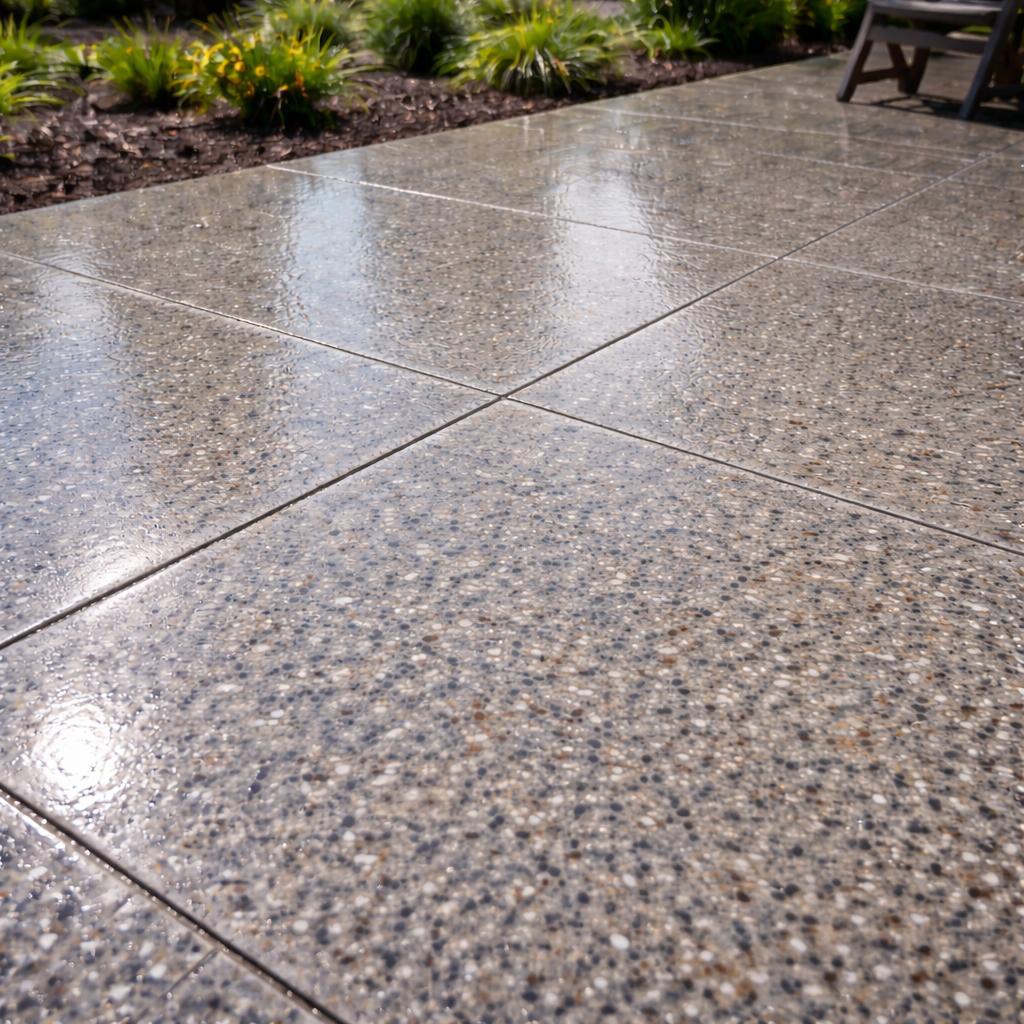
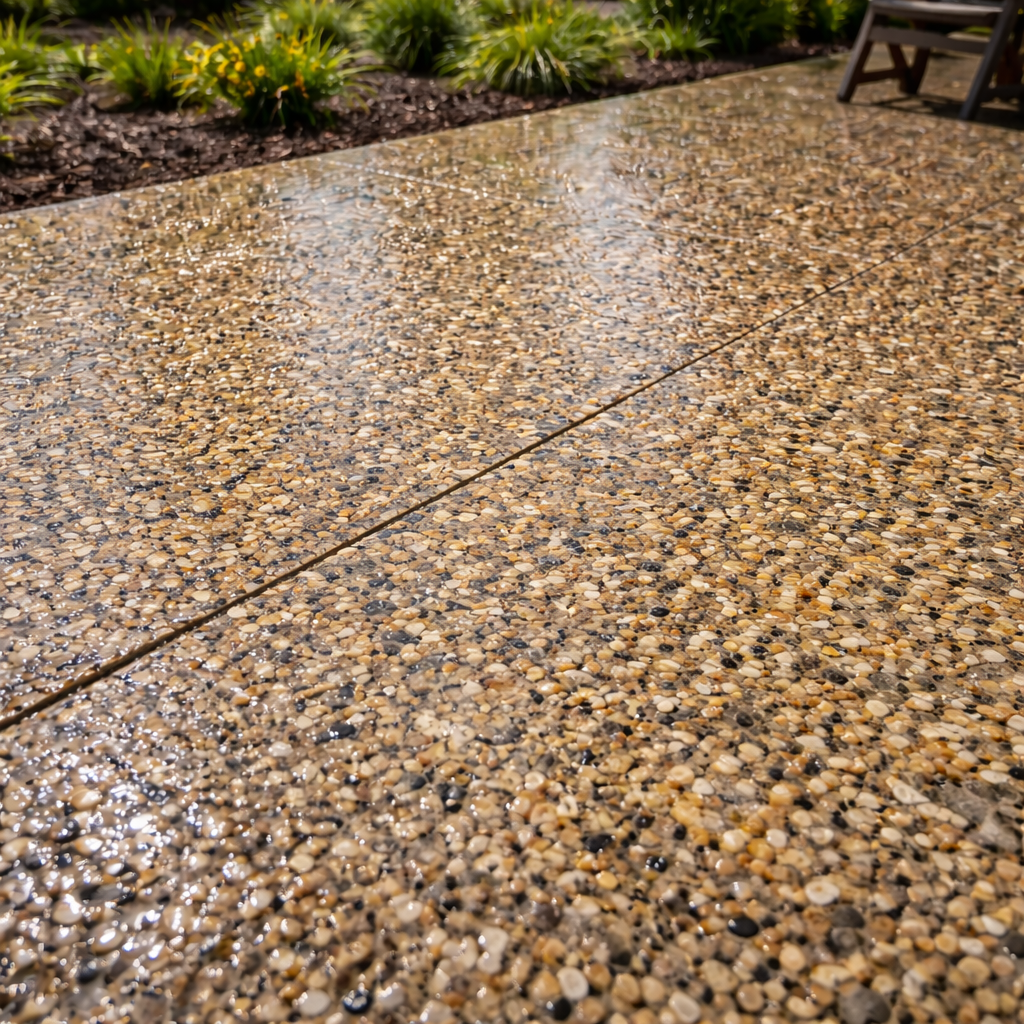
Exposed aggregate delivers texture, slip resistance, and visual character. It’s ideal for driveways, sidewalks, and pool decks where both durability and safety matter.
It also:
-
Hides minor surface imperfections
-
Handles heavy traffic well
-
Provides a natural, upscale finish

Affordable Luxury: The Value Proposition
Natural stone, pavers, and tile can be expensive to purchase and install. Decorative concrete, on the other hand, uses the same structural pour while enhancing the surface finish.
That creates a strong value advantage:
-
Lower material cost compared to stone or brick
-
Faster installation timelines
-
Fewer long-term maintenance issues
-
Seamless integration with existing slabs
Clients see a luxury finish. Contractors maintain efficient workflows and controlled costs.
Precision Is Critical in Decorative Work
Decorative concrete leaves very little room for error. Unlike standard pours where minor imperfections may go unnoticed, decorative surfaces showcase every detail — good or bad.
Success depends on:
-
Consistent pour rates
-
Proper timing for stamping or finishing
-
Uniform surface texture
-
Controlled curing conditions
-
Clean placement and minimal rehandling
Any disruption in the pour can lead to color variation, surface inconsistencies, or pattern defects.
Planning the Pour for Decorative Success
Decorative projects require more coordination than standard flatwork. Contractors who treat them like a basic slab often run into issues.
Key planning factors include:
-
Crew size and role assignment
-
Timing for stamping or finishing windows
-
Access routes for concrete movement
-
Weather and temperature conditions
-
Mix consistency and slump control
A smooth, uninterrupted workflow is essential. Delays during placement can directly affect the final appearance.
Material Handling and Surface Quality
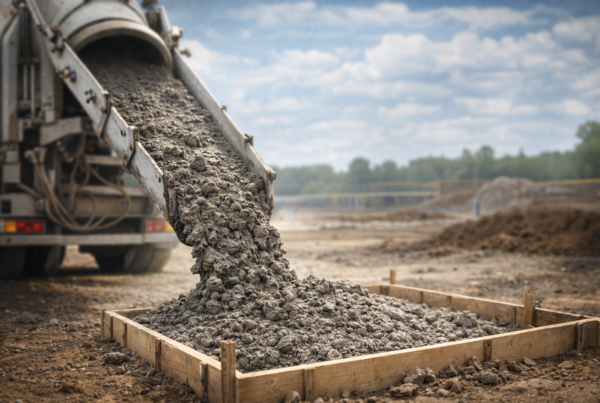
One overlooked factor in decorative concrete is how the material is moved on site. Excessive rehandling, inconsistent placement, or dumping concrete unevenly can create surface defects that are difficult to correct later.
Controlled placement helps ensure:
-
Even distribution
-
Consistent surface texture
-
Reduced segregation
-
Better finishing results
When concrete arrives and is placed efficiently, crews can focus on detail work instead of scrambling to manage flow.
Labor Efficiency and Profitability
Decorative concrete can command higher pricing, but it also requires tighter execution. Efficiency becomes a major factor in maintaining profitability.
When placement runs smoothly:
-
Crews stay on schedule
-
Finishing windows are met
-
Overtime is reduced
-
Rework is minimized
Contractors who improve workflow often find decorative projects become some of their most profitable jobs, not the most stressful.
Common Mistakes to Avoid
Even experienced crews can struggle with decorative work if the fundamentals aren’t managed carefully. Some of the most common issues include:
-
Rushing the finishing process
-
Poor timing during stamping
-
Inconsistent concrete flow
-
Uneven coloring or curing
-
Lack of surface preparation
Avoiding these mistakes starts with preparation and controlled execution from the moment the first load arrives.
Selling Decorative Concrete to Clients
One of the biggest advantages of decorative concrete is how easy it is to present as an upgrade. Clients understand visual value immediately.
Instead of selling just “a slab,” contractors can offer:
-
Custom textures
-
Premium color options
-
High-end visual finishes
-
Long-lasting durability
This shifts the conversation from cost per yard to overall project value — a much stronger position for any contractor.
The Future of Decorative Concrete
As design expectations continue to rise, decorative concrete will only become more common. Clients want surfaces that are functional, durable, and visually impressive — all without the extreme costs of luxury materials.
That positions decorative concrete as one of the most practical premium options in modern construction.
Final Thought
Decorative concrete proves that luxury doesn’t always require expensive materials. With the right planning, precision, and execution, contractors can deliver high-end finishes using the same core material they already work with every day.
At its core, success in decorative concrete comes down to control — control over timing, placement, finishing, and workflow. When those elements are managed well, the result is a surface that looks premium, performs long-term, and adds real value to the project.
For contractors looking to stand out while protecting margins, decorative concrete isn’t just a trend. It’s a smart, scalable way to offer affordable luxury that clients can see the moment the job is complete.