
Concrete is strong on its own. But what makes it dependable — what makes it last — is the reinforcement and the precision that go into placing it. Steel, spacing, depth, vibration, placement speed… every detail matters.
When those details are handled right, the structure performs the way it was designed to. When they’re rushed or overlooked, problems can show up years later in the form of cracks, settling, or failure.
For contractors, building with confidence comes down to two things: proper reinforcement and precise execution.
Concrete Is Only as Strong as What’s Inside It
Reinforcement is what turns concrete from a rigid material into a structural system. Rebar, wire mesh, and fiber all serve a purpose, depending on the job.
They help concrete handle what it’s naturally weak at:
-
Tension
-
Movement
-
Temperature changes
-
Shrinkage over time
Without reinforcement, concrete can crack easily under stress. With proper reinforcement in place, those stresses are distributed and controlled.
That’s why placement, spacing, and coverage aren’t just technical details — they’re what determine how the structure holds up years down the road.
Precision Matters More Than Most People Think
You can have the right mix, the right reinforcement, and still run into issues if the placement isn’t controlled.
Common problems usually come from small things:
-
Rebar getting pushed out of position during the pour
-
Inconsistent coverage over steel
-
Over-vibration or under-vibration
-
Uneven pours creating stress points
-
Rushed placement around corners, steps, or tight forms
These aren’t major mistakes. They’re the kind that happen when crews are under pressure to move fast or when material is hard to manage on site.
That’s where precision becomes just as important as strength.
Keeping Reinforcement Where It Belongs
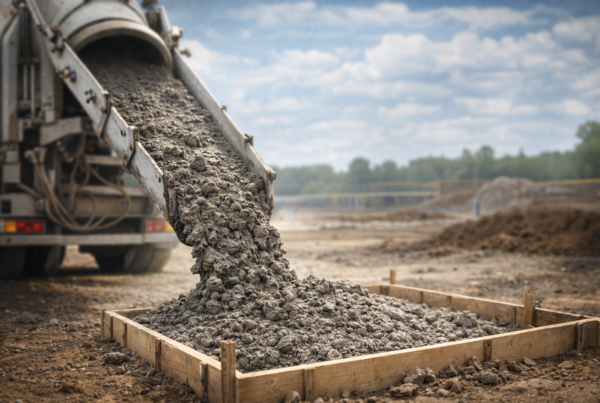
One of the biggest challenges during a pour is keeping reinforcement exactly where it’s supposed to be. When concrete is dumped from too high, pushed too aggressively, or moved in bulk, rebar and mesh can shift.
Even small movement can reduce coverage and affect long-term durability.
Controlled placement helps protect the work that was done before the pour even started. When concrete can be delivered steadily and directed exactly where it needs to go, there’s less chance of disturbing reinforcement.
That means:
-
Better steel coverage
-
More consistent depth
-
Fewer weak points
-
A more predictable final structure
The Role of Crew Control and Material Flow
Strong structures aren’t just about engineering — they’re about execution.
When crews have control over how material moves across the site, they can focus on placing, leveling, and finishing correctly instead of scrambling to keep up.
Steady, controlled material flow helps crews:
-
Place concrete without overwhelming forms
-
Work carefully around reinforcement
-
Maintain consistent pour rates
-
Reduce the need to push or rehandle material
That control leads to better precision and, ultimately, better results.
Confidence Comes From Consistency
The best contractors build a reputation for work that lasts. That doesn’t happen by accident. It comes from doing the small things right, over and over again.
Consistency in:
-
Reinforcement placement
-
Concrete depth and coverage
-
Pour speed
-
Crew coordination
All of it adds up to structures that perform the way they should.
When crews can work at a steady pace without feeling rushed, the quality shows. There’s more attention to detail. More accuracy. Fewer mistakes.
Building for the Long Term
Most concrete work isn’t judged the day it’s finished. It’s judged years later.
Did it crack?
Did it settle?
Did it hold up under real use?
Reinforcement and precision are what answer those questions before they’re ever asked. They’re the difference between work that looks good at handoff and work that still performs years down the road.
Where the Right Equipment Helps
Moving concrete efficiently isn’t just about speed — it’s about control.
When crews can place concrete exactly where they want it, they’re less likely to:
-
Disturb reinforcement
-
Overload sections of forms
-
Rush placement
-
Rehandle material
That leads to cleaner pours, better coverage, and more consistent results.
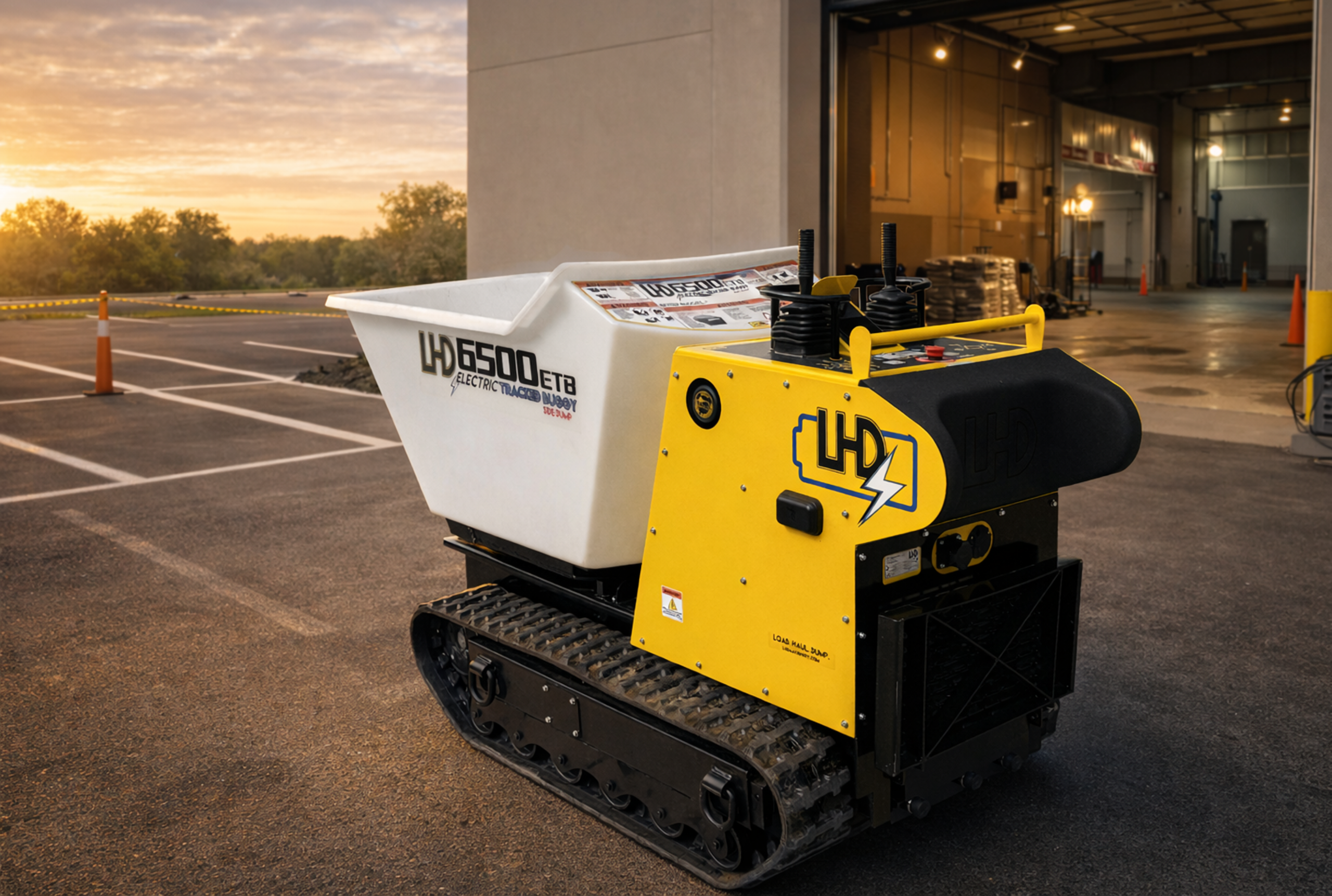
Equipment that’s easy to control, stable under load, and designed for real jobsite conditions allows crews to focus on accuracy instead of just keeping up with the flow.