
MSRP $27,940
Same Machine. More Control.
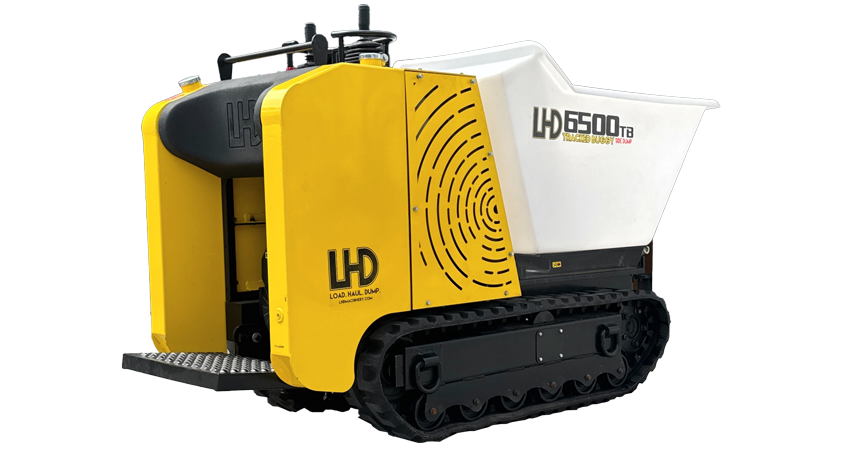
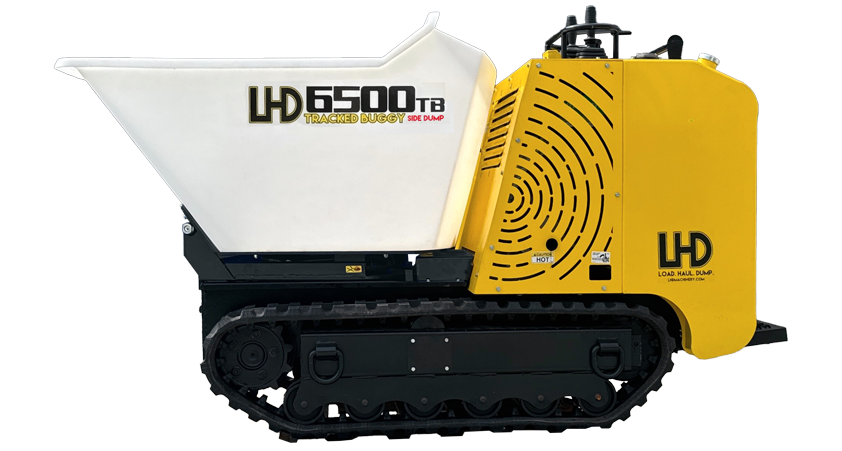
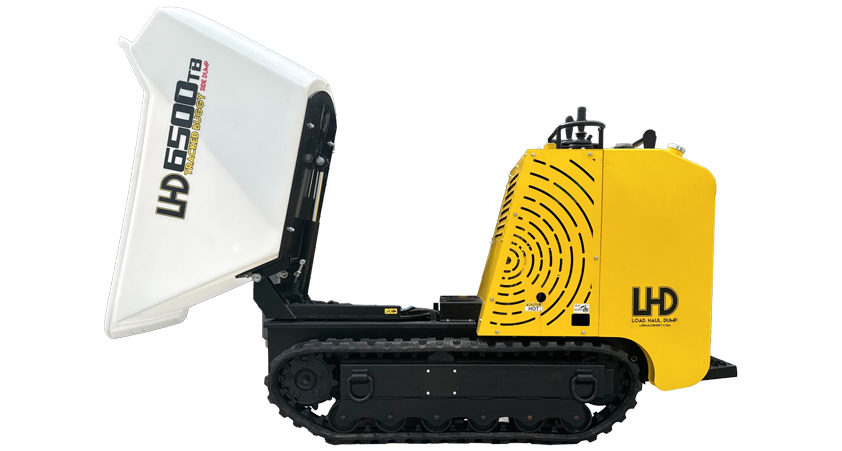
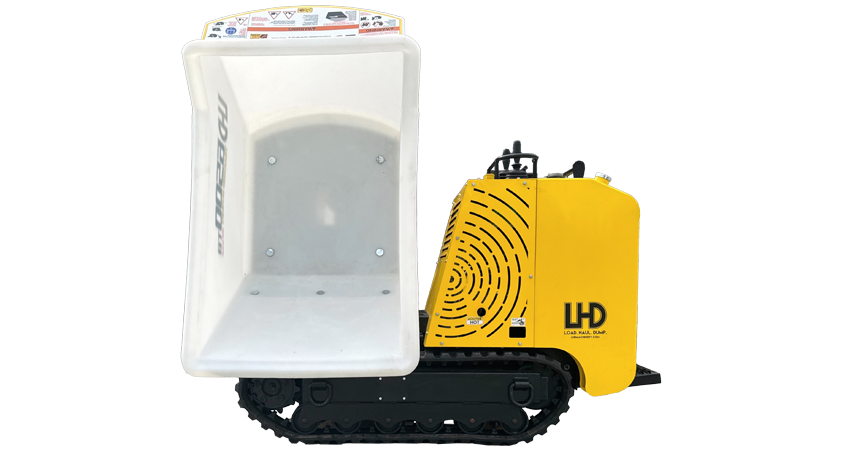
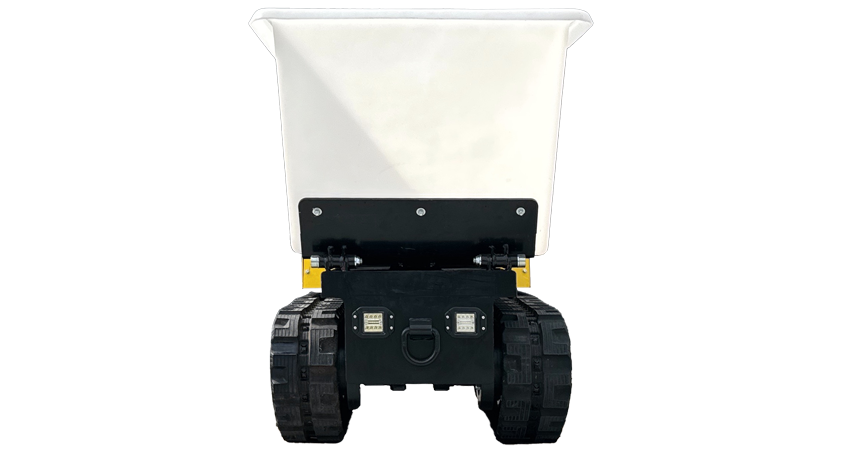
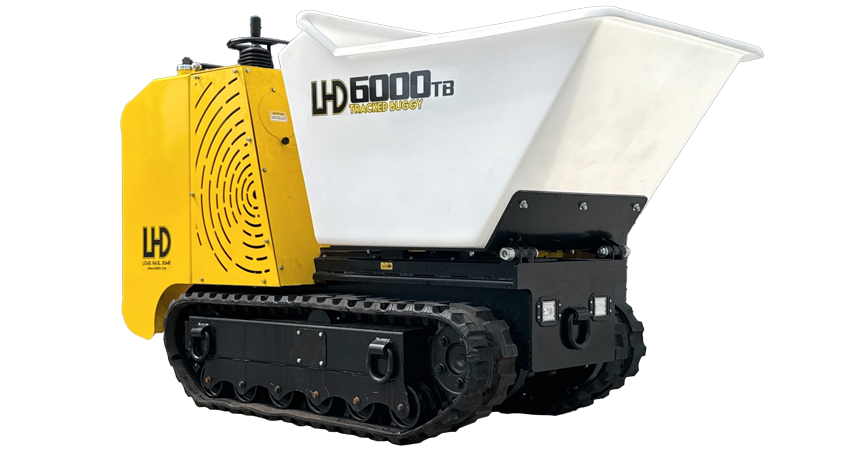
Same capacity, footprint, and power as the LHD6000 — now with side dump for precise placement.
16
Cubic Feet
23.5
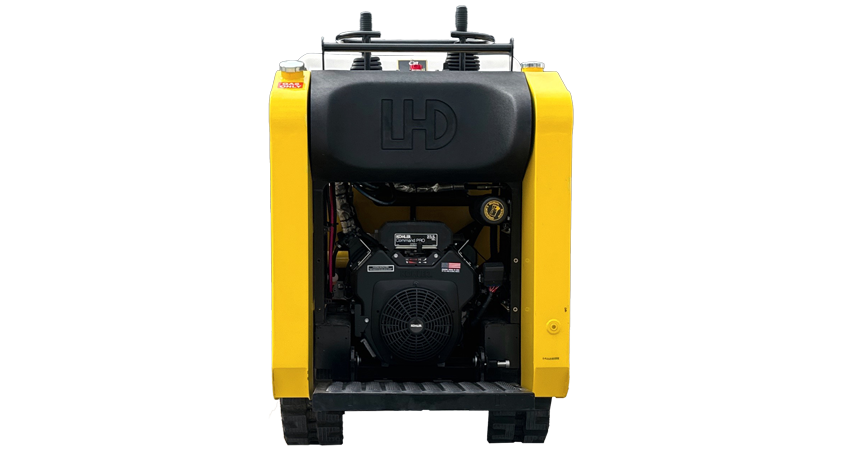
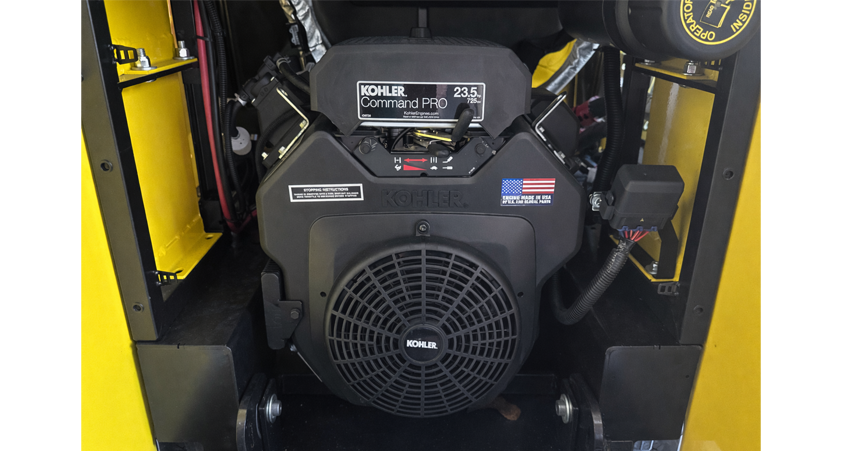
HP Kohler
34.5
Inches in Overall Width
Explore the LH6500
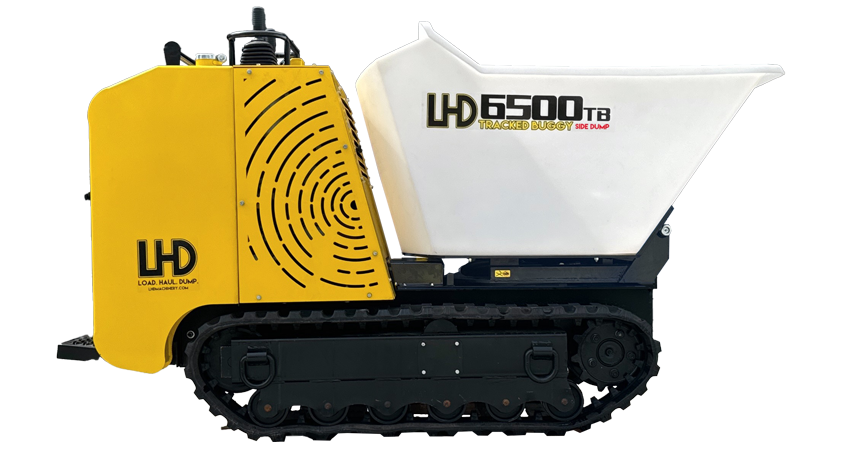
9 gallon Gas Tank
180 Degree Rotating Bucket
.6 Yard, 16 Cu Ft Capacity
Grease Tensioner
Permantly Sealed Rollers
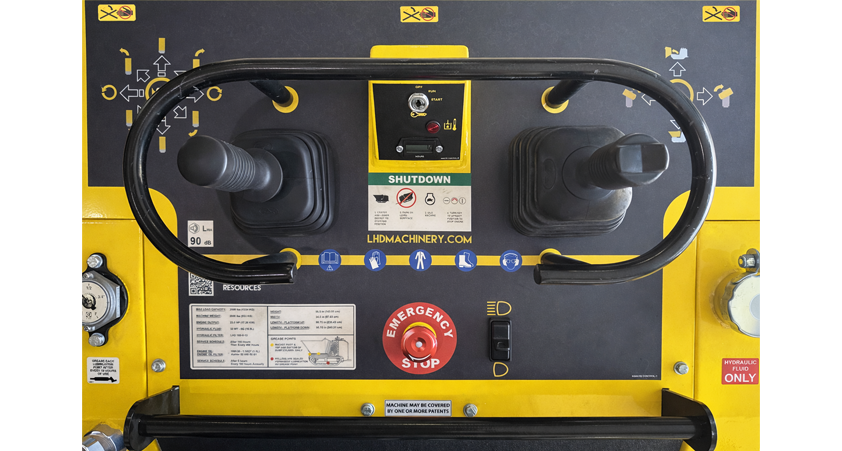
Easy to Use Iso Controls
6 Tie Down Points
8.5″ Ground Clearance
7″ Wide Tracks
Fewer Failure Points
No unnecessary complexity. Less to break. Less to chase.
Serviceable by Anyone
Straightforward access to the components you actually maintain.
Built for Long-Term Value
Durable platform, practical design, and strong second-owner demand.
Access without Compromise
The LHD6500 builds on a platform contractors already trust — and adds one key advantage: control.
Crews don’t always need a bigger machine. They need a better way to place material — especially in tight spaces, along forms, or in situations where repositioning slows everything down. That’s where side dump changes the job.
Why We Built the LHD6500
On real jobsites, efficiency isn’t just about capacity — it’s about placement. Repositioning a machine over and over takes time, increases fatigue, and disrupts workflow. In tight spaces, it can be the difference between a smooth pour and a frustrating one. The goal with the LHD6500 wasn’t to change the platform — it was to improve how material gets placed. By adding true side-dump capability to the proven LHD6000, contractors can place material exactly where it’s needed without constantly moving the machine. The result is faster pours, cleaner placement, and more control — all without changing how the machine operates.
”“Once you use the side dump, you don’t want to go back.”
Thad HanfordConcrete Perfection


| Power / Control | |
| Engine | |
| Horsepower Class | |
| Hydraulics | |
| ISO Controls | |
| Automatic Park Brake | |
| Mobility | |
| Track Width (Tracked Only) | |
| Permanently Sealed Rollers (Tracked Only) | |
| Tensioners (Tracked Only) | |
| Bucket / Dump | |
| Poly Bucket | |
| Metal Bucket | |
| Side Dump | |
| Operator / Utility | |
| Comfort Pad | |
| Tie Downs | |
| Fuel Gauge | |
| Lights | |
| Splash Guard | |
| Specifications | |
| Payload | |
| Bucket Capacity | |
| Width | |
| Overall Length | |
| Length (Standing Platform Up) | |
| Weight | |
| Ground Clearance | |
| Top Speed | |
| Fuel Capacity (Gas Machines) | |
Email machine details
We'll send this machine's specs directly to your inbox.
We've emailed the specs to your inbox. If you don't see it in a minute, please check your spam or promotions folder.
Proven Platform, added Control.
The LHD6500 isn’t a new platform — it’s a refinement of one that already works.
Built on the proven LHD6000 foundation, it delivers the same performance, durability, and simplicity — with added side-dump capability for better material placement.
Same machine. More control where it matters.
Proven Platform Design
The LHD6500 uses the same jobsite-proven structure as the LHD6000 — designed for reliability, not complexity.
Every component works together simply and predictably, reducing downtime and keeping crews moving.
Balanced and Predictable
Weight distribution, track placement, and machine layout are designed to keep the machine stable and controlled under load.
The result is smooth operation and confidence — even in tight or uneven conditions.
Stability Under Load
The tracked undercarriage provides consistent traction and control across real jobsite conditions — from soft ground to uneven terrain.
Combined with side-dump capability, operators can place material precisely without sacrificing stability.

Ownership Built for the Long Haul
Frame & Structural Integrity
Engineered for real load cycles.
A full-yard machine doesn’t just carry weight — it carries dynamic force.
Acceleration, braking, turning, and dumping all shift load. Those forces compound over production cycles.
The LHD7000 frame was designed around:
-
Reinforced load-bearing zones
-
Balanced center-of-gravity positioning
-
Structural rigidity under full payload
-
Stability during directional changes
This isn’t a scaled-up small frame. It’s a structure designed from the start to handle full-yard production demands
Maintenance & Service Access
Performance is only half the equation.
Engineering doesn’t end at power and structure. It continues into ownership.
Service access, layout simplicity, and component selection all influence uptime.
The LHD7000 prioritizes:
-
Accessible service points
-
Direct mechanical connections
-
Fewer wear-prone components
-
Straightforward troubleshooting
Complexity increases failure points. Simplicity increases reliability.
That philosophy carries through the entire platform.
Width & Access Engineering
The under-36-inch width is not cosmetic.
It is strategic.
Standard residential fence gates measure approximately 36 inches.
Exceed that width and access becomes a bottleneck.
By staying within that threshold while delivering full-yard capacity, the LHD7000 reduces:
-
Manual material staging
-
Secondary equipment use
-
Short-cycle repeat trips
-
Labor fatigue
Capacity and access were engineered together — not independently.
For Contractors Who Want the Details
The LHD7000 was engineered around:
-
Real gate widths
-
Real terrain
-
Real production schedules
-
Real crew demands
If you are evaluating machines at a technical level, review the full specification sheet or contact us directly to discuss application requirements.
Powertrain & Torque Delivery
Frame & Structural Integrity
A 1-yard load generates stress during:
-
Acceleration
-
Braking
-
Turning
-
Dumping
The frame structure is reinforced around key load zones to manage dynamic forces and repeated production cycles.
The result is a machine built for sustained use — not occasional operation.
Tracked Undercarriage Design
Stability under load. Traction where it matters.
A full-yard machine places real demand on the undercarriage. The track system isn’t just there for flotation — it’s part of the performance equation.
Wide 9″ tracks increase ground contact and distribute weight more evenly than concentrated wheel loads. That reduces ground pressure and improves traction on soft, uneven, or unfinished terrain.
Under load, that matters.
The track system provides:
-
Predictable stability when fully loaded
-
Controlled movement on slopes
-
Improved traction in mud or soft subgrade
-
Reduced ground disturbance compared to heavy wheel concentration
The result is a machine that stays composed even when carrying its full capacity — not just when it’s empty
Width & Access Engineering
uilt to fit where the work actually is.
The “under 36 inches” dimension is not cosmetic. It’s deliberate.
Most residential fence gates are 36 inches wide. Exceed that, and productivity drops immediately. Crews start staging differently. Materials get transferred. Extra steps are introduced.
The LHD7000 was engineered to stay under that threshold while still carrying a full cubic yard.
That balance reduces:
-
Secondary staging equipment
-
Manual handling
-
Repeated short-cycle trips
-
Jobsite reconfiguration
It’s not just about fitting through a gate. It’s about eliminating the inefficiencies that start when a machine doesn’t.
