
MSRP $38,502
1
Cubic Yard
40
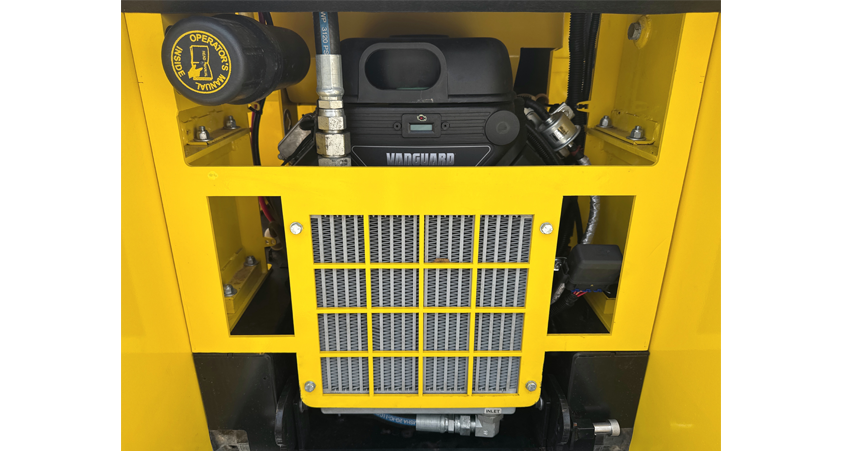
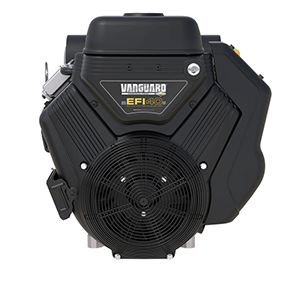
HP Vangaurd EFI
35.5
Inches in Overall Width
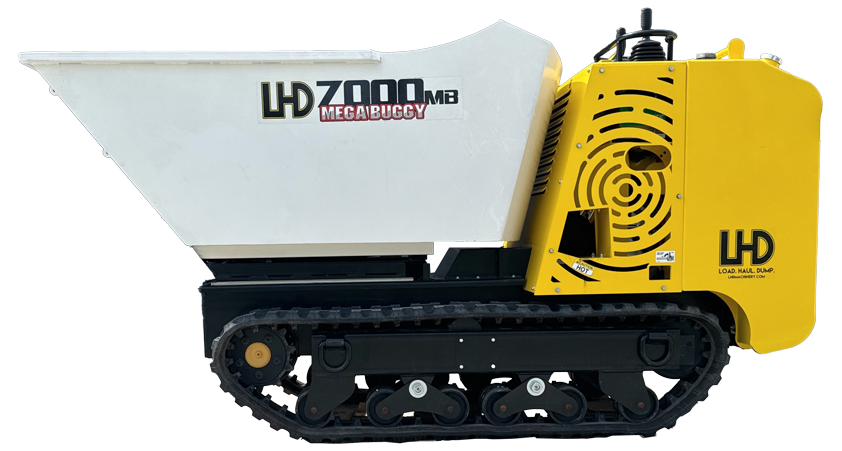
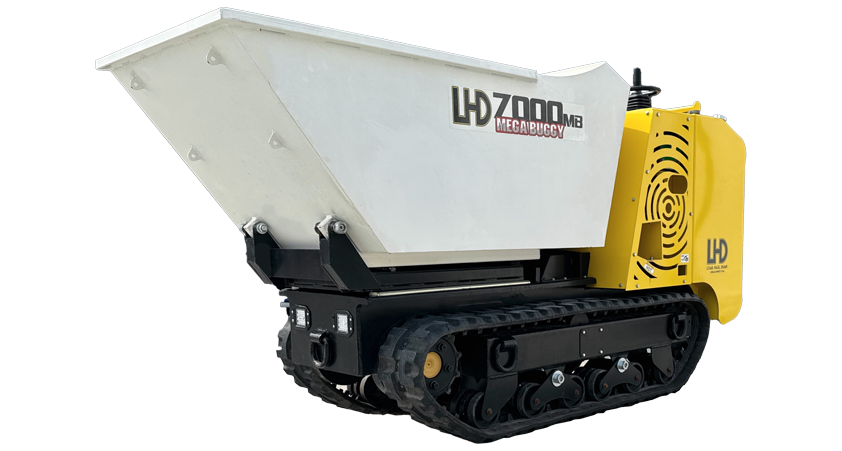
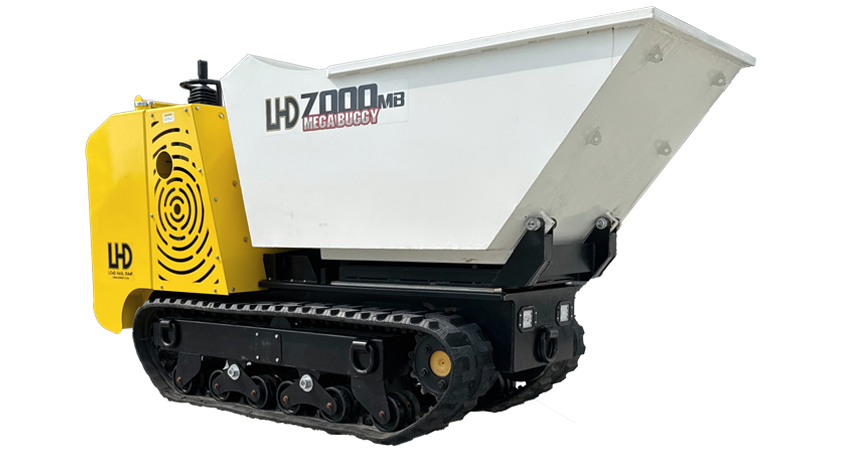
Explore the LHD7000
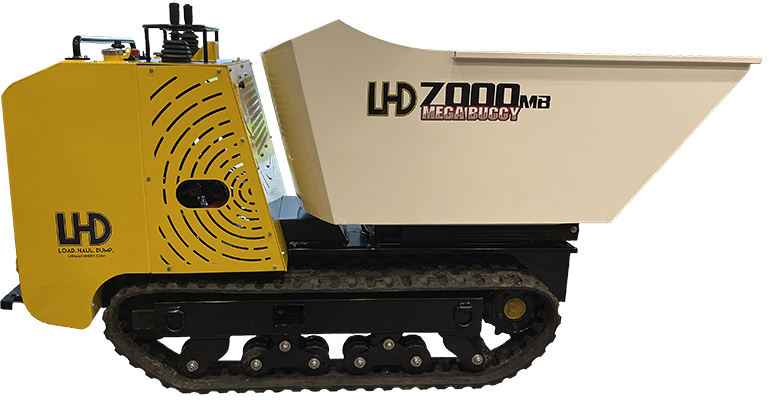
13 gallon Gas Tank
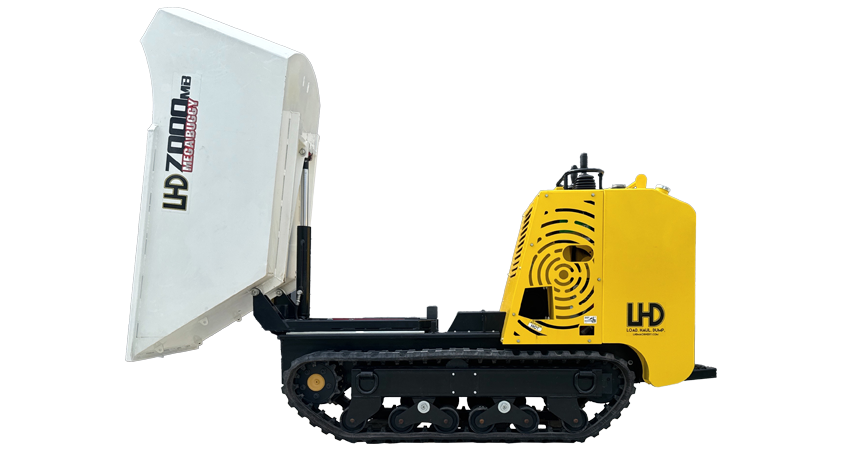
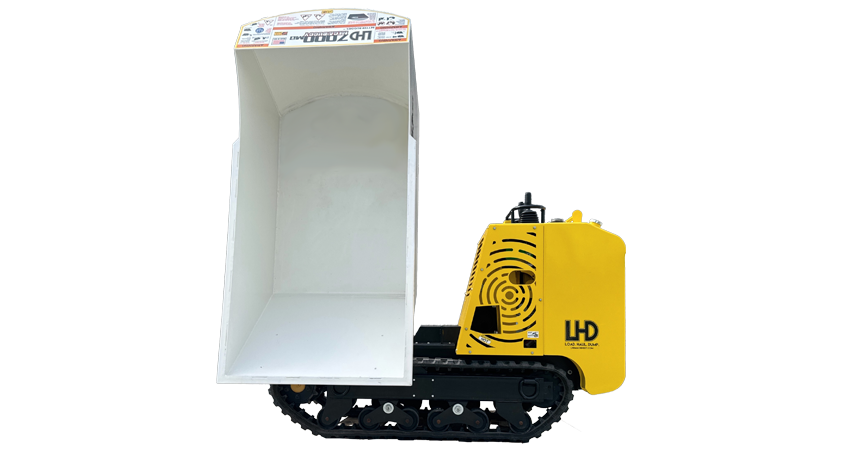
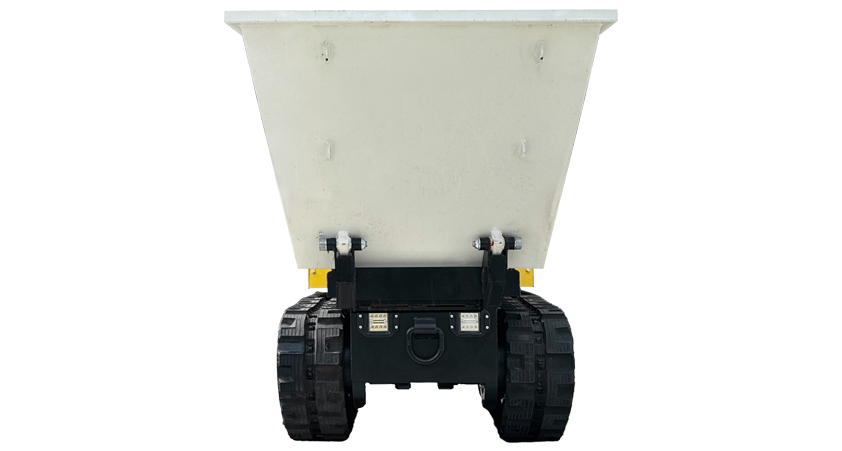
180 Degree Rotating Bucket
1 Yard, 27 Cu Ft Capacity
Pivoting Undercarriage
Grease Tensioner
Permantly Sealed Rollers
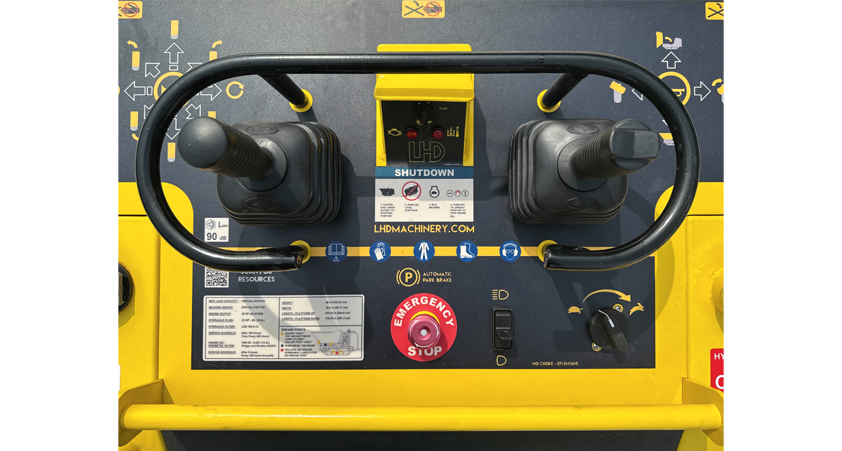
Easy to Use Iso Controls
6 Tie Down Points
9″ Ground Clearance
9″ Wide Tracks
Fewer Failure Points
No unnecessary complexity. Less to break. Less to chase.
Serviceable by Anyone
Straightforward access to the components you actually maintain.
Built for Long-Term Value
Durable platform, practical design, and strong second-owner demand.


2025 Rental Editors Choice Award
Access without Compromise
The LHD7000 didn’t start with a market survey. It started with frustration.
Crews were either making extra trips with smaller machines — or stepping up to larger machines that couldn’t fit where the work actually was.
We believed that tradeoff didn’t have to exist.
Why We Built the LHD7000
Over time, that compromise shows up in real ways — more labor hours, more fatigue, and less production.
The goal wasn’t to build a bigger buggy. It was to build a smarter one — a machine that could move serious volume without expanding its footprint. Something that could carry a full yard in one trip, still fit through a standard 36-inch gate, ride on a single-axle trailer, and deliver the power crews need without becoming complicated to operate.
What began as an internal engineering challenge became something much more practical: a way to increase production without increasing hassle.
The LHD7000 exists for one simple reason — production matters. Capacity and access shouldn’t have to compete.
”The Mega Buggy is the most capable buggy ever, under 36" in width!
Bill ParkerGeorgia Buggy Rental and Service
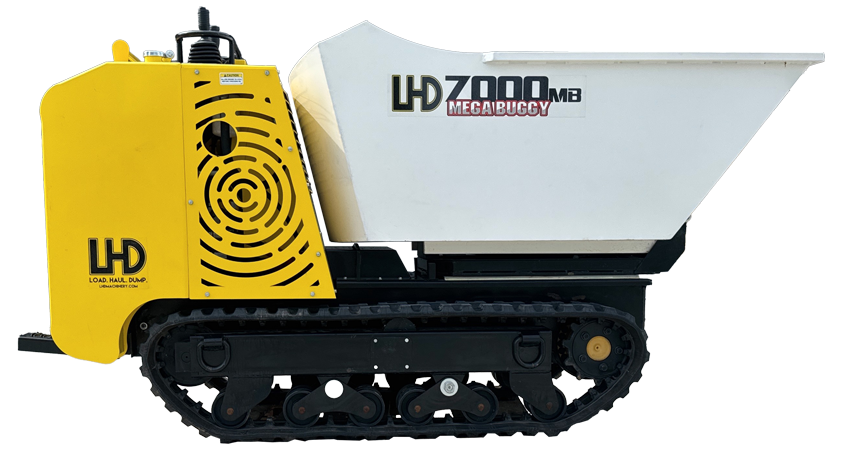
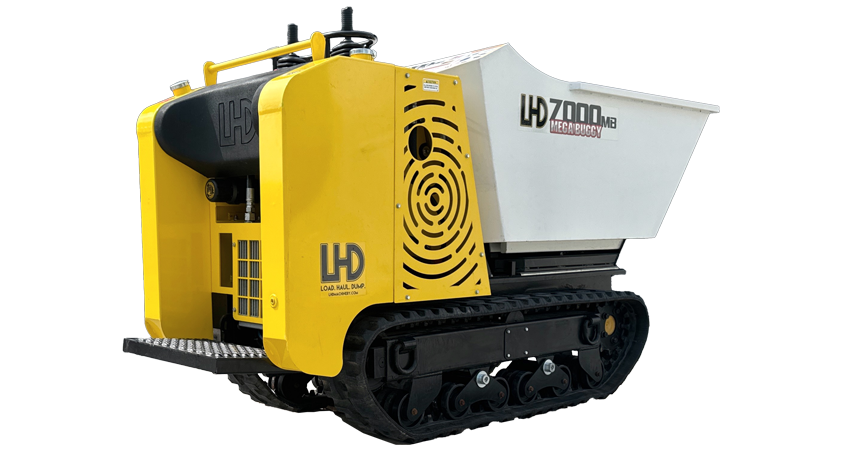
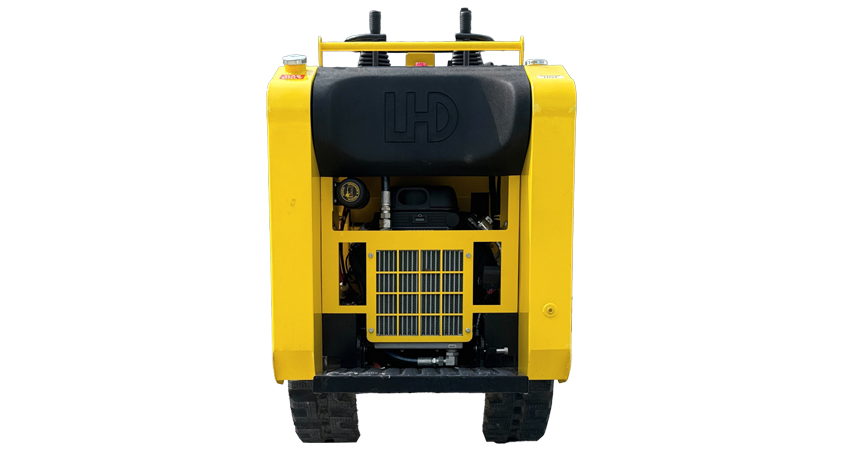

| Power / Control | |
| Engine | |
| Horsepower Class | |
| Hydraulics | |
| ISO Controls | |
| Automatic Park Brake | |
| Mobility | |
| Track Width (Tracked Only) | |
| Permanently Sealed Rollers (Tracked Only) | |
| Tensioners (Tracked Only) | |
| Bucket / Dump | |
| Poly Bucket | |
| Metal Bucket | |
| Side Dump | |
| Operator / Utility | |
| Comfort Pad | |
| Tie Downs | |
| Fuel Gauge | |
| Lights | |
| Splash Guard | |
| Specifications | |
| Payload | |
| Bucket Capacity | |
| Width | |
| Overall Length | |
| Length (Standing Platform Up) | |
| Weight | |
| Ground Clearance | |
| Top Speed | |
| Fuel Capacity (Gas Machines) | |
Email machine details
We'll send this machine's specs directly to your inbox.
We've emailed the specs to your inbox. If you don't see it in a minute, please check your spam or promotions folder.
The Platform that Changed our Lineup
The LHD7000 wasn’t just another model. It forced us to rethink the foundation.
To deliver a true 1-cubic-yard capacity in a compact tracked footprint, the entire machine geometry had to be reconsidered. Not stretched. Not widened. Rebalanced.
What came out of that process wasn’t just a new buggy — it was a new platform.
Scalable Architecture
By solving the most demanding configuration first, we created a structural and hydraulic architecture strong enough to scale.
That platform became the foundation for the rest of our tracked lineup. Once the hardest version was engineered correctly, refining capacity and configuration became a matter of precision — not compromise.
Rebalanced Geometry
Carrying a full yard inside a sub-36-inch width requires precise weight distribution. Center of gravity, axle placement, track spacing, and bucket position all had to work together under load.
The result is a machine that feels planted and predictable — even when fully loaded.
Tracked Stability Under Load
Production capacity increases stress on the undercarriage. The track system was engineered specifically to handle dynamic loads during acceleration, turning, and dumping.
Instead of adapting an existing frame, the 7000’s structure was built around real production weight from the beginning. That stability became a defining characteristic of the platform. The machine can truly handle the weight of a full yard, the specs are real life, and not inflated.
Ownership Built for the Long Haul
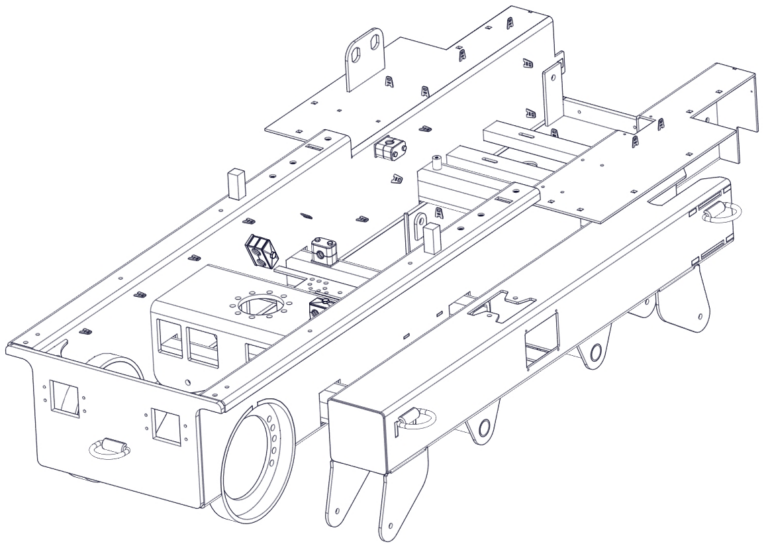
Frame & Structural Integrity
Engineered for real load cycles.
A full-yard machine doesn’t just carry weight — it carries dynamic force.
Acceleration, braking, turning, and dumping all shift load. Those forces compound over production cycles.
The LHD7000 frame was designed around:
-
Reinforced load-bearing zones
-
Balanced center-of-gravity positioning
-
Structural rigidity under full payload
-
Stability during directional changes
This isn’t a scaled-up small frame. It’s a structure designed from the start to handle full-yard production demands
Maintenance & Service Access
Performance is only half the equation.
Engineering doesn’t end at power and structure. It continues into ownership.
Service access, layout simplicity, and component selection all influence uptime.
The LHD7000 prioritizes:
-
Accessible service points
-
Direct mechanical connections
-
Fewer wear-prone components
-
Straightforward troubleshooting
Complexity increases failure points. Simplicity increases reliability.
That philosophy carries through the entire platform.
Width & Access Engineering
The under-36-inch width is not cosmetic.
It is strategic.
Standard residential fence gates measure approximately 36 inches.
Exceed that width and access becomes a bottleneck.
By staying within that threshold while delivering full-yard capacity, the LHD7000 reduces:
-
Manual material staging
-
Secondary equipment use
-
Short-cycle repeat trips
-
Labor fatigue
Capacity and access were engineered together — not independently.
For Contractors Who Want the Details
The LHD7000 was engineered around:
-
Real gate widths
-
Real terrain
-
Real production schedules
-
Real crew demands
If you are evaluating machines at a technical level, review the full specification sheet or contact us directly to discuss application requirements.
Powertrain & Torque Delivery
Frame & Structural Integrity
A 1-yard load generates stress during:
-
Acceleration
-
Braking
-
Turning
-
Dumping
The frame structure is reinforced around key load zones to manage dynamic forces and repeated production cycles.
The result is a machine built for sustained use — not occasional operation.
Tracked Undercarriage Design
Stability under load. Traction where it matters.
A full-yard machine places real demand on the undercarriage. The track system isn’t just there for flotation — it’s part of the performance equation.
Wide 9″ tracks increase ground contact and distribute weight more evenly than concentrated wheel loads. That reduces ground pressure and improves traction on soft, uneven, or unfinished terrain.
Under load, that matters.
The track system provides:
-
Predictable stability when fully loaded
-
Controlled movement on slopes
-
Improved traction in mud or soft subgrade
-
Reduced ground disturbance compared to heavy wheel concentration
The result is a machine that stays composed even when carrying its full capacity — not just when it’s empty
Width & Access Engineering
uilt to fit where the work actually is.
The “under 36 inches” dimension is not cosmetic. It’s deliberate.
Most residential fence gates are 36 inches wide. Exceed that, and productivity drops immediately. Crews start staging differently. Materials get transferred. Extra steps are introduced.
The LHD7000 was engineered to stay under that threshold while still carrying a full cubic yard.
That balance reduces:
-
Secondary staging equipment
-
Manual handling
-
Repeated short-cycle trips
-
Jobsite reconfiguration
It’s not just about fitting through a gate. It’s about eliminating the inefficiencies that start when a machine doesn’t.
