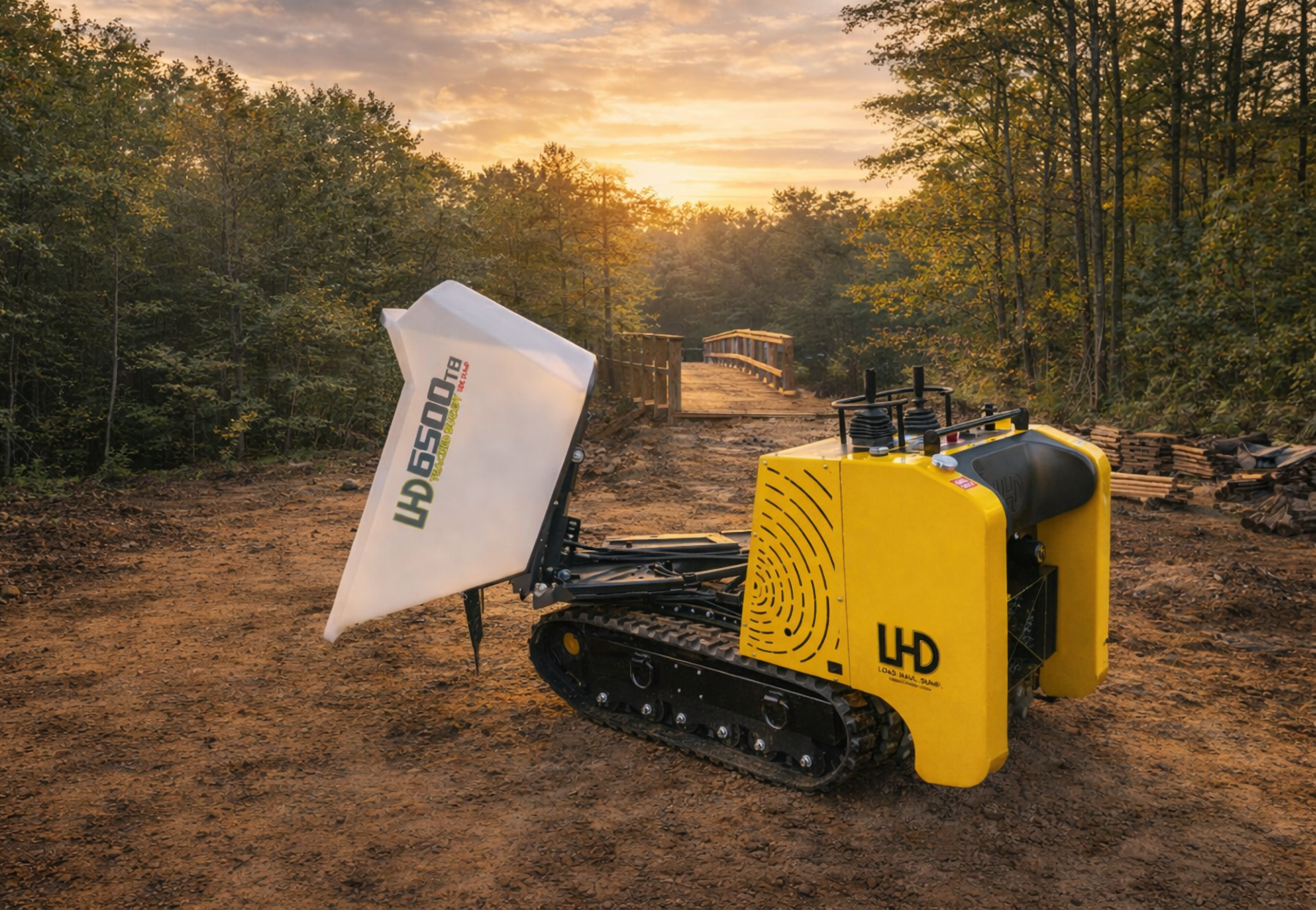
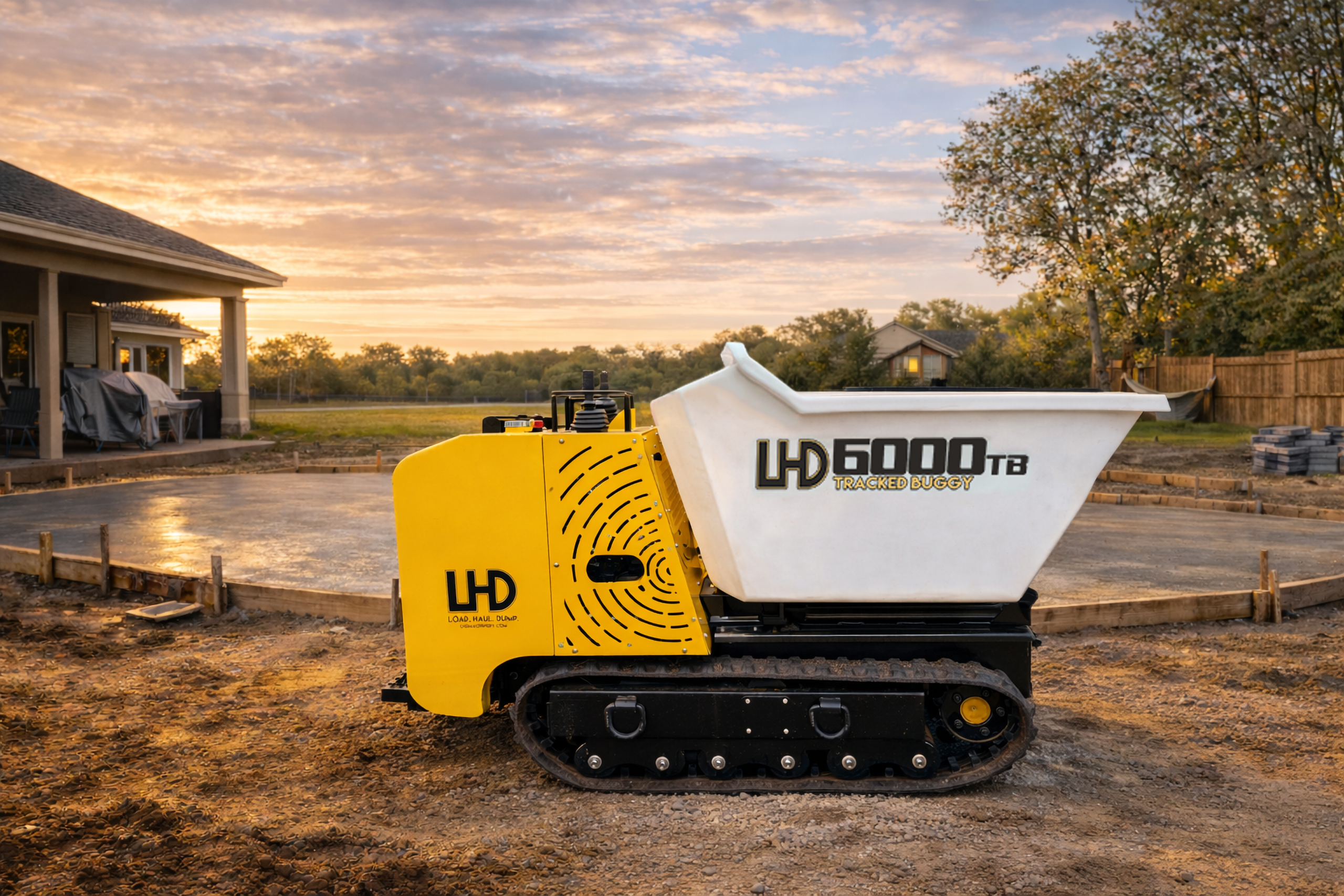

On a real jobsite, equipment is not judged on how it looks on day one.
It is judged on day 300, day 1,000, and day 3,000 — when the mud is thick, the subgrade is soft, and the schedule is tight.
That is the difference between equipment designed for a sale and equipment designed for ownership.
At LHD, the philosophy is simple: downtime is the silent profit killer. Every design decision is made with long-term ownership in mind, not short-term showroom appeal.
On a real jobsite, equipment is not judged on how it looks on day one.
It is judged on day 300, day 1,000, and day 3,000 — when the mud is thick, the subgrade is soft, and the schedule is tight.
That is the difference between equipment designed for a sale and equipment designed for ownership.
At LHD, the philosophy is simple: downtime is the silent profit killer. Every design decision is made with long-term ownership in mind, not short-term showroom appeal.
The Hidden Cost of “First-Sale” Equipment
Many machines in the market are engineered to win the initial purchase decision.
They focus on:
-
More electronics understood by fewer technicians
-
Cosmetic features over mechanical durability
-
Complex systems that look impressive but fail under grit and vibration
On paper, they look advanced.
On the jobsite, they become maintenance liabilities.
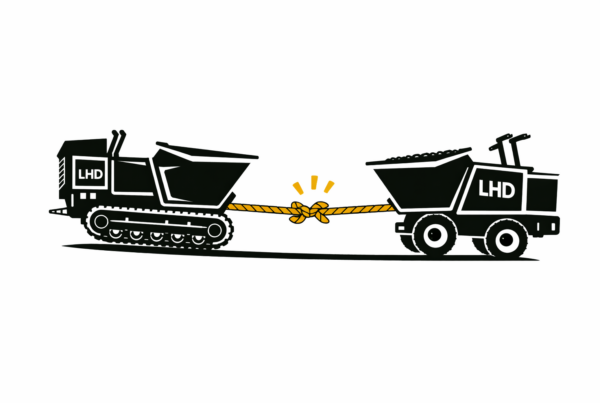
When a buggy goes down mid-pour, you are not just fixing a machine. You are:
-
Paying idle labor
-
Delaying finishing crews
-
Risking cold joints
-
Burning schedule float
That single breakdown can cost more than the price difference between machines.
Ownership-Driven Design Starts with Simplicity
Simple machines last longer. That is not theory — that is fifty years of field reality.
Electronics fail. Sensors fail. Wiring corrodes.
Mechanical systems, when properly engineered, keep cycling.
That is why ownership-focused equipment prioritizes:
-
Direct mechanical systems
-
Proven hydraulic components
-
Minimal electronic dependency
-
Easy service access
When a contractor owns equipment for years instead of months, simplicity is not a luxury. It is a financial strategy.
Durability Over Marketing Specs
Advertised capacity, horsepower numbers, and feature lists sell machines.
Structural durability keeps them in service.
A buggy designed for ownership must withstand:
-
Repeated shock loads from full buckets
-
Abrasive concrete and aggregate
-
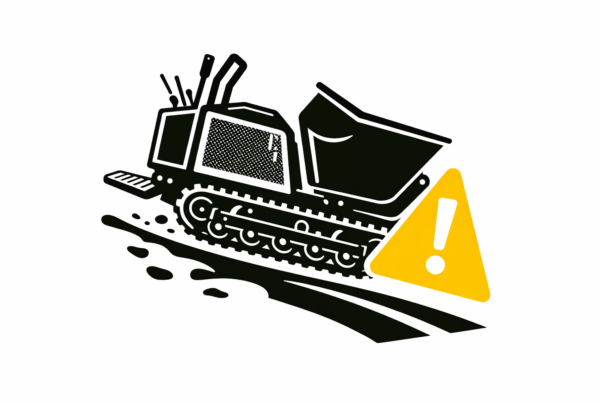
Wet, uneven subgrade
-
Tight maneuvering around forms and rebar
Thin frames, belt-driven systems, and over-complicated controls may reduce manufacturing cost, but they increase lifetime repair frequency.
A heavier-duty chassis, direct-drive systems, and rugged components reduce failure points and extend service life significantly.
Uptime Is the Real Return on Investment
Contractors do not make money owning equipment.
They make money when equipment is cycling.
A buggy that:
-
Starts every morning
-
Moves consistently under load
-
Requires minimal troubleshooting
Will outperform a feature-heavy machine that sits waiting on diagnostics or parts.
Over a multi-year ownership cycle explained in practical terms:
-
Fewer breakdowns = more completed pours
-
More completed pours = higher revenue per machine
-
Higher revenue per machine = lower effective cost per yard moved
That is total cost of ownership in the real world.
Maintenance Matters More Than Initial Price
Fleet owners and rental yards understand this immediately.
A machine with:
-
Easy grease points
-
Accessible service components
-
Standardized parts
-
Reduced electronic complexity
Will cost less to maintain over five years than a cheaper unit packed with failure-prone systems.
Ownership-focused design asks a different question:
Not “What does this cost today?”
But “What will this cost after 1,500 hours in concrete conditions?”
Designed for Contractors, Not Trade Show Floors
Jobsite conditions are harsh. Vibration, dust, slurry, temperature swings — all of it accelerates wear.
Machines designed for ownership are built with:
-
Rugged hydraulic systems instead of fragile drivetrains
-
Protective component placement
-
Reinforced stress points
-
Operator-friendly controls that reduce misuse
Because operator error and harsh environments are realities, not edge cases.
The Long-Term Mindset: Buy Once, Run Hard
Contractors who think long-term do not chase flashy features.
They invest in equipment that:
-
Holds value
-
Requires less downtime
-
Survives multiple seasons
-
Supports consistent productivity
A buggy that lasts years without major failures will always outperform a cheaper machine that needs constant repairs.
Final Takeaway: Ownership Is the Real Metric
The first sale is a moment.
Ownership is a multi-year relationship between the machine and the jobsite.
Equipment designed for ownership delivers:
-
Higher uptime
-
Lower maintenance costs
-
Longer service life
-
Better ROI per pour
That is why the smartest contractors and rental fleets look past marketing features and focus on mechanical reliability, simplicity, and total lifecycle performance.
Because on the jobsite, the machine that still runs flawlessly after years in the mud is the one that actually makes money.