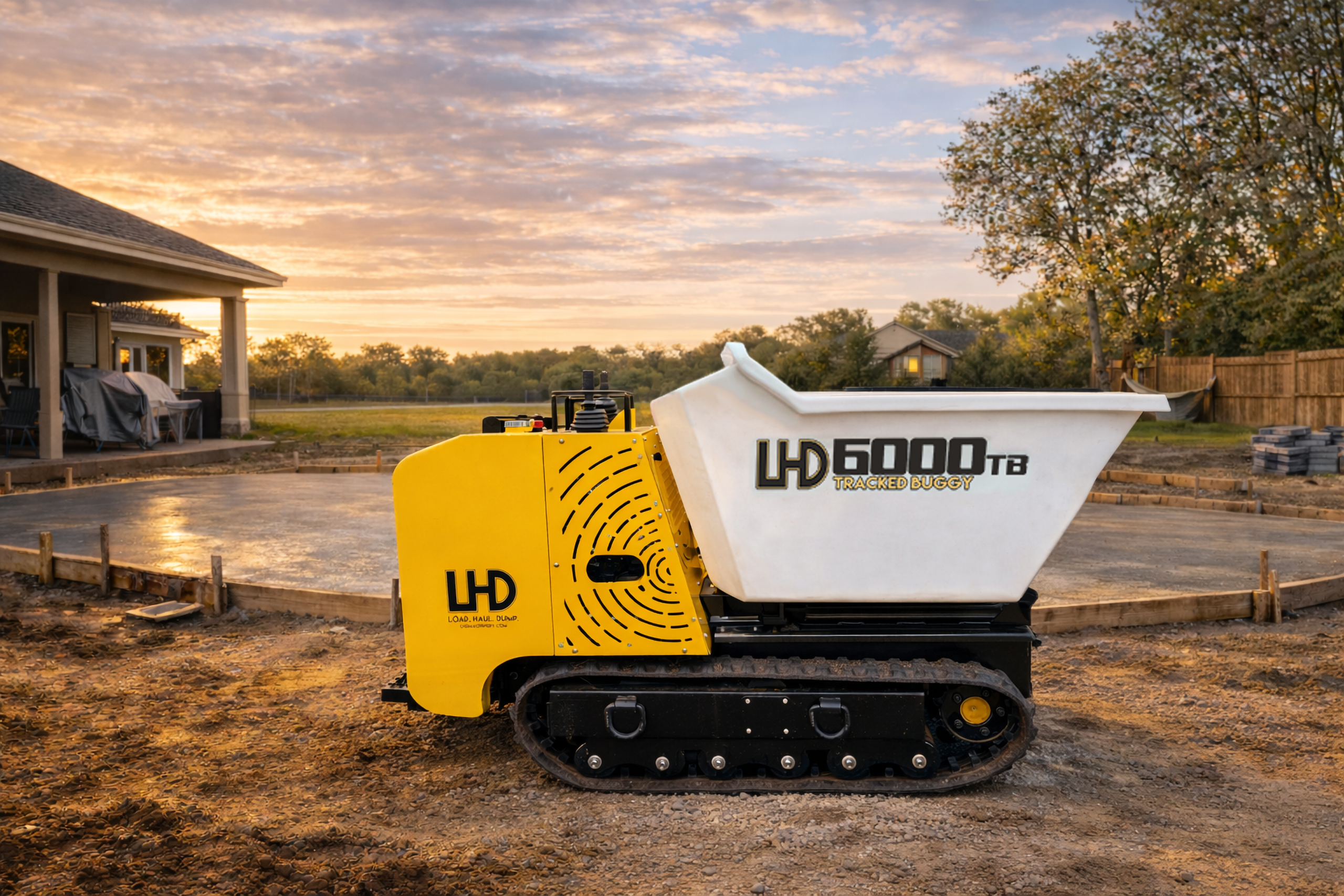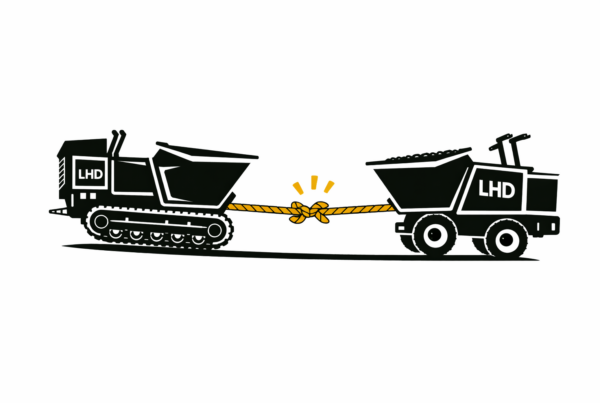


In an era where construction equipment is increasingly packed with sensors, screens, control modules, and automated features, it is easy to assume that “more technology” automatically means better performance. On paper, advanced electronics promise efficiency, diagnostics, and convenience. On real jobsites, however, the equation is very different.
At LHD Machinery, the design philosophy is intentionally grounded in a simple principle: machines should work first, last, and always — especially in harsh, unpredictable environments like concrete jobsites. That is why simplicity is not seen as a limitation. It is treated as a strategic engineering advantage.
The Reality of Electronics on Concrete Jobsites
Concrete work is not a clean environment. It involves slurry, vibration, dust, moisture, temperature swings, and constant impact loads. These are conditions where fragile electronic systems are exposed to:
-
Water intrusion
-
Cement dust contamination
-
Shock and vibration damage
-
Corroded connectors
-
Sensor calibration drift
-
Software-related failures
Unlike controlled indoor equipment, a concrete buggy operates inches from wet concrete, uneven terrain, and heavy material loads. Electronics that function perfectly in controlled testing environments often degrade faster under field conditions.
When a joystick board, control module, or display fails, the machine may not just lose a feature — it may become completely inoperable.
Downtime Costs More Than Features Ever Save
From a contractor’s perspective, the most expensive machine is not the one with the highest upfront cost. It is the one that stops working during a pour.
Concrete placement is time-sensitive. If a buggy goes down mid-pour because of an electronic fault, the consequences can include:
-
Labor delays
-
Cold joints
-
Rework costs
-
Rental overages
-
Schedule disruptions
-
Customer dissatisfaction
A simplified mechanical and hydraulic system dramatically reduces the number of failure points that can shut a machine down at the worst possible moment.
In practical terms, fewer electronic dependencies mean higher uptime — and uptime is the metric that actually protects contractor profit margins.
Serviceability: The Overlooked Competitive Advantage
Highly electronic equipment often requires:
-
Diagnostic software
-
Specialized technicians
-
Proprietary parts
-
Dealer-only repairs
This creates a service bottleneck. A simple issue can sideline a machine for days or weeks while waiting for parts or diagnostics.
By contrast, a simplicity-first design approach emphasizes:
-
Accessible components
-
Standard service procedures
-
Field-repair capability
-
Reduced reliance on proprietary electronics
For rental companies and contractors — two of LHD Machinery’s core customer groups — this is critical. A machine that can be diagnosed and repaired quickly in the field is significantly more valuable than one with advanced features that require factory-level troubleshooting.
Fewer Failure Points = Higher Long-Term Reliability
Every electronic component added to a machine introduces a new potential failure point:
-
Wiring harnesses
-
Sensors
-
Control boards
-
Displays
-
Software systems
Each of these systems must function correctly for the machine to operate as intended. Over time, environmental wear compounds across these components.
A simplicity-focused design reduces system complexity, which directly improves long-term reliability. Instead of managing dozens of interconnected electronic dependencies, the machine relies on robust mechanical and hydraulic systems that are proven in heavy equipment applications.
This is not a theoretical advantage — it is a field-proven one.
Operator Training and Usability
Another overlooked impact of excessive electronics is operator learning curve. Many jobsites rely on:
-
Temporary labor
-
Rental operators
-
Crews with mixed experience levels
Complex digital interfaces and multi-layered control systems can slow adoption and increase misuse.
Simple controls, intuitive layouts, and direct mechanical feedback allow operators to:
-
Learn the machine faster
-
Work more confidently
-
Reduce operational errors
-
Maintain consistent productivity
This aligns directly with LHD’s core design principle: equipment should be easy to use, even for first-time operators.
Harsh Environment Engineering vs. Feature Engineering
There is a fundamental difference between designing for marketing features and designing for real-world durability.
Feature-driven machines often prioritize:
-
Touchscreens
-
Advanced automation
-
Sensor-driven adjustments
-
Digital dashboards
Durability-driven machines prioritize:
-
Structural strength
-
sealed critical components
-
robust hydraulics
-
simplified control architecture
On demanding jobsites, durability-driven engineering consistently outperforms feature-driven complexity.
Lifecycle Cost: The Hidden Financial Factor
While electronic-heavy equipment may appear advanced upfront, lifecycle ownership costs tell a different story. More electronics typically mean:
-
Higher repair costs
-
Increased parts expenses
-
Longer service timelines
-
Greater long-term maintenance complexity
Simple machines tend to have:
-
Lower maintenance costs
-
Predictable service needs
-
Longer operational lifespan
-
Higher resale value
For contractors and rental fleets, total cost of ownership matters far more than short-term technological appeal.
The LHD Design Philosophy: Simple, Strong, Jobsite-Proven
LHD Machinery’s approach is intentionally aligned with real contractor needs. Instead of chasing unnecessary electronic complexity, the focus remains on:
-
Rugged construction
-
reliable hydraulic performance
-
straightforward serviceability
-
operator-friendly controls
-
jobsite durability
This philosophy reflects a practical understanding of how equipment is actually used — not how it is marketed.
Machines are not built for showroom impressions. They are built for mud, concrete, slopes, tight access sites, and long working days.
When Electronics Do Make Sense
This is not to say all electronics are inherently negative. Strategic, well-protected electronic systems can provide value when they are:
-
Properly sealed
-
Non-critical to core operation
-
Designed for harsh environments
-
Focused on essential performance data
The key distinction is dependency. If electronics enhance the machine without becoming a single point of failure, they serve the operator rather than control the machine’s usability.